
One of the most common questions we hear at North West Door Stripping is: “Should I remove paint from my wooden door myself, or should I hire a professional?” The answer depends on several factors — the number of doors, the type of paint, your available time, and the finish you’re hoping to achieve. In this guide, we’ll walk you through both approaches to help you make an informed decision.
Why Remove Paint from a Wooden Door?
Before we dive into the how, it’s worth understanding the why. There are several compelling reasons to strip paint from a wooden door:
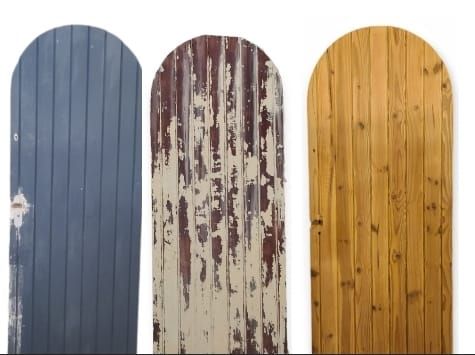
- Restore original beauty — Many older doors, particularly in Victorian and Edwardian homes, are made from solid pine or hardwood. Stripping the paint reveals the natural grain beneath, which is far more attractive than layers of old gloss.
- Fix a sticking door — Paint build-up is one of the most common causes of a door that sticks or doesn’t close properly. Removing the layers of old paint can restore the door’s original fit.
- Prepare for refinishing — Whether you want to repaint in a modern colour or apply a natural wood oil or wax, stripping back to bare timber gives you a clean, stable base.
- Increase property value — Restored original features are highly desirable in the property market, especially in period homes.

DIY Paint Removal from Wooden Doors
If you have one or two doors and plenty of time, DIY paint removal is a feasible option. Here are the main methods used to remove paint from wooden doors at home:
1. Chemical Paint Stripper
Gel-based chemical strippers (available from DIY stores) are applied to the door surface, left to react, and then scraped off. They work well for removing a few layers of paint from mouldings and panelled doors. However, they can be slow — requiring multiple applications for heavily painted surfaces — and must be handled with care due to the caustic chemicals involved. Always wear gloves and eye protection and work in a ventilated space.
2. Heat Gun
A heat gun softens the paint so it can be scraped away. This is a popular DIY method for flat surfaces, but can be tricky around mouldings and intricate details. There’s also a risk of scorching the wood if the heat gun is held in one place for too long. Heat guns should never be used on doors that may contain lead paint (common in pre-1970s properties) without appropriate safety precautions.
3. Sanding
Electric sanders (belt sanders, orbital sanders) can remove paint from flat door panels, but they struggle with mouldings and edges. Sanding creates a lot of dust, which is especially hazardous if the paint contains lead. For doors with lots of detail, sanding alone is rarely sufficient to achieve a clean result.
DIY drawbacks to consider: DIY paint removal is time-consuming — stripping a single door can take several hours. Results can be inconsistent, particularly around intricate mouldings. And if the door contains lead paint, the health risks are significant without proper protective equipment and disposal procedures.

Professional Door Stripping: The Dip and Strip Method
For the best results — especially when removing paint from multiple wooden doors — professional dip and strip is the gold standard. At North West Door Stripping, we use a heated caustic dip tank that strips multiple layers of paint in a single process, reaching into every corner, moulding, and detail that DIY methods can’t access.
How Professional Dip Stripping Works
The door is fully submerged in a tank of caustic solution, which breaks down the paint and lifts it away from the wood fibres. After the required time, the door is removed, rinsed thoroughly, and neutralised. The process removes all paint — including from the deepest mouldings — leaving bare, clean timber ready for finishing.
Advantages of Professional Stripping
- Complete paint removal in a single process, including deep mouldings
- Safe handling of lead paint without risk to you or your family
- Consistent, high-quality results across every door
- Far less time and effort required on your part
- Optional hand sanding and finishing available
- Cost-effective when stripping multiple doors — often cheaper than buying new doors
DIY vs Professional: Which Should You Choose?
Here’s a straightforward comparison to help you decide:
| Factor | DIY | Professional |
|---|---|---|
| Cost (1 door) | Low (materials only) | From approx. £30–£60 |
| Time required | 4–8 hours per door | 1–2 days turnaround |
| Quality of result | Variable | Consistent and high quality |
| Moulding detail | Difficult | Excellent |
| Lead paint safety | Risk without precautions | Handled safely |
| Multiple doors | Very time-consuming | Efficient and cost-effective |
Tips If You Do Choose to Strip Paint Yourself
If you decide to go the DIY route, here are some practical tips to help you get the best possible result when removing paint from a wooden door:
- Remove the door from its hinges — Laying the door flat on trestles makes the job much easier and gives better access to all surfaces.
- Test for lead paint first — Use a lead paint test kit (available from hardware stores) before you start. If lead is present, you’ll need additional precautions or should consider hiring a professional.
- Work in sections — Apply chemical stripper or use the heat gun in manageable sections to avoid the product drying out before you can scrape it.
- Use the right scrapers — Flat scrapers work well on panels, while moulding scrapers (shaped to fit the profile) are essential for getting paint out of grooves and details.
- Finish with a light sand — Once the paint is removed, a light sand with medium then fine-grit sandpaper will smooth the surface ready for finishing.
- Choose your finish carefully — Bare wood can be oiled, waxed, varnished, or painted. For interior doors, a hard wax oil gives a beautiful natural look that’s durable and easy to maintain.
Get Professional Help with Paint Removal in the North West
Whether you have one door or twenty, North West Door Stripping is here to help. We provide fast, professional paint removal from wooden doors across Manchester, Liverpool, Preston, Blackpool and the wider North West region. Our dip and strip process delivers outstanding results at competitive prices.
Contact us today for a free quote and find out how quick and affordable it is to restore your original wooden doors to their natural beauty. You’ll wonder why you didn’t do it sooner.


